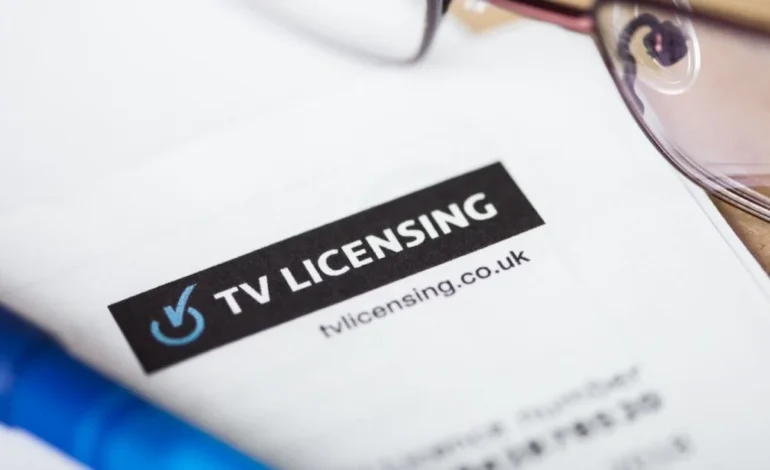
The cost of watching television in Britain is set to rise again, yet TV licence refunds and free licences are being overlooked by nearly 300,000 people who may be paying when they do not need to.
The annual television licence currently costs £174.50, but ministers are considering an increase of almost £7 from April, taking the price to just over £181. Forecasts suggest the fee could approach £197 by the end of the decade if it continues to rise in line with inflation.
UK News — More from EyeOnLondon
Recent UK stories shaping public debate and everyday life.
ADHD prescriptions among women surge
New figures reveal a sharp rise in diagnoses and prescriptions, raising questions about access and care.
Read the storyMore UK News
Warm Homes Plan aims to cut energy bills
Ministers outline proposed upgrades as households face rising costs and pressure to improve efficiency.
Read the storyMore UK News
Vaping ban in pubs under consideration
Ministers weigh new restrictions as health concerns and hospitality impacts are debated.
Read the storyMore UK News
New analysis indicates that many households are paying unnecessarily, either because they no longer watch or record live television or because they do not use BBC iPlayer. In those cases, licence holders may be entitled to a refund, provided there is at least one full unused month remaining.
Refunds can also apply where a licence was purchased in error, including situations where one was already in place at the address, or where television equipment is no longer used at all. Households that know they will not need a licence again before it expires may also be eligible to claim money back.
At the same time, thousands of people who qualify for help are continuing to pay the full fee. Over-75s who receive Pension Credit are entitled to a free TV licence, while those registered as blind can apply for a 50 per cent discount. A reduced £7.50 licence is also available to people over 60 and disabled residents living in certain types of supported accommodation.
The figures come as the number of active TV licences continues to fall. BBC data shows licences in force have dropped from 24.1 million to 23.8 million in the past year, reflecting a steady shift away from live television towards streaming platforms.
A standard colour licence covers a single household, regardless of how many televisions, laptops or mobile devices are used, although separate tenancies in shared accommodation may require individual licences. A black-and-white licence costs £58.50, with payment available annually or by monthly direct debit.
The number of households paying the licence fee is expected to fall by more than one million by the time of the next general election. Around 300,000 households stopped paying last year alone, contributing to losses estimated at more than £1 billion for the BBC.
Culture Secretary Lisa Nandy has said she is prepared to consider all options for the future of the licence fee as pressure on household finances grows.
Watching or recording live television, or using BBC iPlayer without a licence, remains illegal and can result in a fine of up to £1,000. Households are therefore being urged to check whether they genuinely need a licence or whether they are owed money back before any increase comes into force.
Guidance on eligibility, refunds and discounts is available via the official TV licensing service, which sets out the conditions under which households can cancel or reclaim unused months of a licence.
For more stories examining everyday costs, public policy, and how they affect households across the UK, follow EyeOnLondon. We welcome your views in the comments.
Follow us on:



Subscribe to our YouTube channel for the latest videos and updates!

We value your thoughts! Share your feedback and help us make EyeOnLondon even better!