TfL Licensing Delays Leave Drivers Counting the Cost as Compensation Falls Short

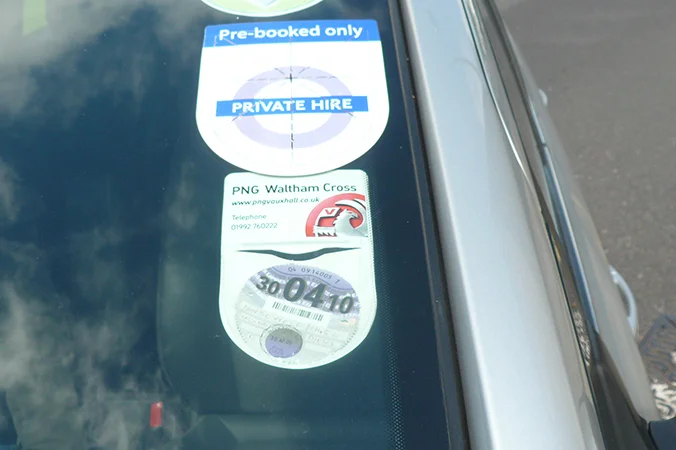
A goodwill payment offered in response to TfL licensing delays compensation has been criticised by driver representatives, who say the sums on offer fail to reflect the scale of hardship faced by taxi and private-hire drivers left unable to work.
Transport for London has apologised after a fault in new licensing software delayed renewals for hundreds of drivers last year, including those working through ride-hailing apps such as Uber and Bolt. Some were kept off the road for weeks or months, with no income, while waiting for licences to be reissued.
London News — More from EyeOnLondon
Three recent London stories, selected to keep you reading.
Knightsbridge Rolex robbery
What happened in broad daylight and why luxury watch theft remains a concern in central London.
Read the storyMore London News
Chisora’s 50th fight set for London
Derek Chisora’s milestone bout and what a possible clash with Deontay Wilder would mean.
Read the storyMore London News
Low traffic neighbourhoods and congestion
New TfL data reignites debate over congestion, displacement, and how London moves.
Read the storyMore London News
Under the scheme announced this week, eligible taxi drivers will receive £300 and private-hire vehicle drivers £310, reflecting refunded fees. Those without a valid licence for more than seven days will receive an enhanced payment of £500.
The App Drivers and Couriers Union said the payments were “nowhere near enough” and claimed some members had been pushed into homelessness as a result of the delays. The union said it would press for compensation of £500 for every week drivers were unable to work.
“This is not a minor inconvenience,” a spokesperson said. “For some drivers, these delays meant repossessed vehicles, mounting debt, and losing their homes.”
One Uber driver, Abdullahi, told reporters he had been evicted after falling behind on rent when his licence was not renewed in time. “This is our livelihood,” he said. “It’s how we support our families. When the licence stops, everything stops.”
TfL said the majority of drivers were unaffected, noting that licences are renewed on a three-year cycle. However, it acknowledged that those renewing during the affected period experienced significant disruption.
A TfL spokesperson said: “We’re sorry that some drivers experienced delays when renewing their licences. To recognise the impact this had, we are introducing a one-off goodwill payment for those who meet the criteria.”
Drivers will not need to apply for the payment and will be contacted directly, with compensation issued by cheque.
The GMB union welcomed the move, describing it as a constructive step. Steve Garelick, a GMB organiser, said the payments “will go some way towards addressing the financial impact” and thanked TfL for working with unions to resolve the issue.
The contrasting responses underline growing concern about how regulatory failures ripple through London’s gig economy, where missed paperwork can quickly translate into lost income and housing insecurity.
Guidance on licensing and renewal responsibilities for drivers is set out by Transport for London and can be found on its official licensing pages, which outline requirements and timelines for both taxi and private-hire operators.
As unions continue to push for stronger safeguards, the episode has raised wider questions about how resilient London’s licensing systems are, and how quickly compensation follows when they fail.
For more stories on London’s transport, working lives, and the policies shaping the capital, follow EyeOnLondon for informed and independent reporting. We welcome readers’ experiences in the comments.
Follow us on:



Subscribe to our YouTube channel for the latest videos and updates!

We value your thoughts! Share your feedback and help us make EyeOnLondon even better!