Europe Pushes Back as Trump’s Greenland Tariff Threat Tests Allied Unity

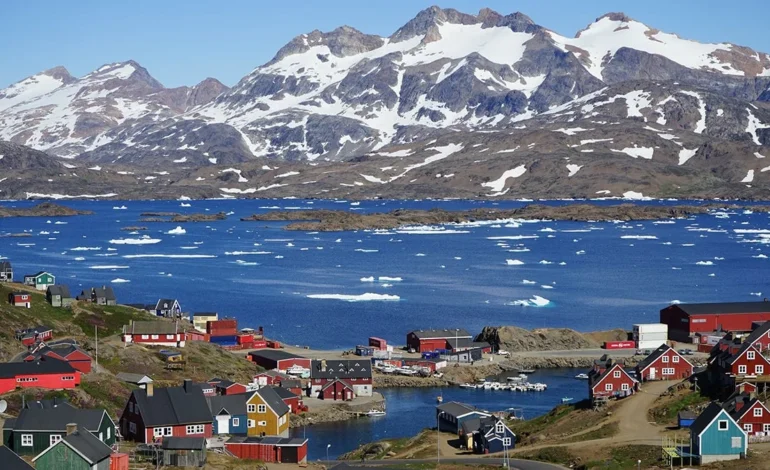
Tariff threats over Greenland have pushed eight European countries into an unusually blunt show of unity, warning that Donald Trump’s latest move risks damaging NATO trust and dragging transatlantic relations into a trade fight built on territorial pressure.
In a joint statement, eight European countries warned that tariff threats over Greenland risk triggering “a dangerous downward spiral”, marking the most forceful public rebuke of Trump by Europe since his return to the White House nearly a year ago.
International News — More from EyeOnLondon
Global stories shaping politics, security, science, and daily life.
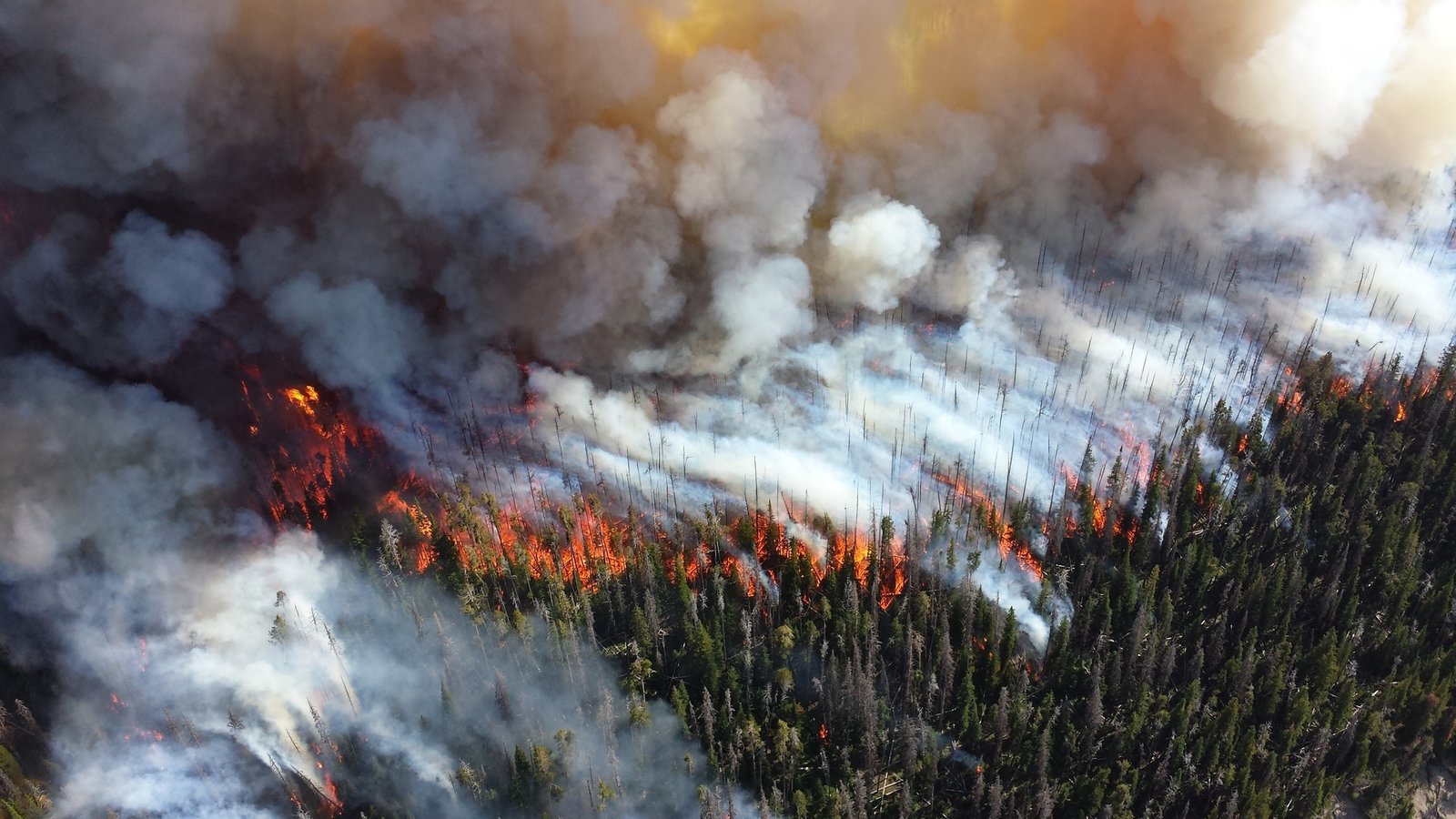
Chile declares state of catastrophe after deadly wildfires
Authorities respond to widespread devastation as fires tear through homes, infrastructure, and communities.
Read the storyMore International News
Republican senators move to block Trump over Greenland
A rare challenge from within the party as concerns grow over sovereignty, trade, and U.S. alliances.
Read the storyMore International News
ISS carries out first ever medical evacuation
A historic moment for space medicine as astronauts return early following a serious health incident.
Read the storyMore International News
The statement, issued by Denmark, Norway, Sweden, France, Germany, the United Kingdom, the Netherlands and Finland, underlined solidarity with Denmark and Greenland while insisting that military activity in the Arctic posed no threat to the United States.
“We will not allow ourselves to be put under pressure,” said Norway’s foreign minister Espen Barth Eide. “Those types of threats are unacceptable between close allies.”
A shift in tone from European capitals
Until now, European leaders had largely opted for caution and diplomacy in their dealings with Trump, even as tensions simmered over Ukraine, NATO spending and trade. Sunday’s statement suggested a recalibration.
Troops sent to Greenland for a Danish-led military exercise known as Arctic Endurance were described as routine and defensive. “They pose no threat to anyone,” the statement said.
Denmark’s foreign minister Lars Løkke Rasmussen confirmed that dialogue with Washington had been opened last week but added pointedly: “We will stay on track, unless the U.S. decides differently.”
Six of the eight countries targeted by Trump’s proposed 10 per cent tariffs are members of the European Union, which negotiates trade as a single economic bloc. Following emergency talks among EU envoys, European Council president Antonio Costa said leaders were united in their view that tariffs would undermine the foundations of EU–US relations.
“We are ready to defend ourselves against any form of coercion,” Costa said, adding that a leaders’ summit was likely later this week.
Greenland at the centre of the dispute
Trump’s threat appeared designed to force negotiations over Greenland, the semi-autonomous Danish territory that he has repeatedly described as vital to US national security. Late on Sunday, he claimed on social media that NATO had warned Denmark for decades about Russian activity in the Arctic and accused Copenhagen of failing to act.
European officials rejected the framing. “We stand in full solidarity with the Kingdom of Denmark and the people of Greenland,” the joint statement said, reaffirming commitment to sovereignty and territorial integrity.
There are also unanswered legal questions over whether the White House could impose tariffs on EU states under US law. Any attempt to do so would almost certainly face challenge, including under emergency economic powers that are currently under scrutiny in the US Supreme Court.
Strategic concerns inside NATO
The episode has unsettled NATO allies already anxious about unity at a moment when Western support for Ukraine remains fragile. EU foreign policy chief Kaja Kallas warned that divisions between Europe and Washington would benefit Moscow and Beijing.
“If Greenland’s security is at risk, we can address this inside NATO,” she said.
NATO’s secretary general Mark Rutte confirmed that he had spoken with Trump and said discussions would continue ahead of a planned meeting in Davos later this week.
In London, Prime Minister Keir Starmer told Trump directly that imposing tariffs on allies acting in pursuit of collective NATO security was wrong, according to Downing Street. Starmer has since spoken with Danish prime minister Mette Frederiksen and European Commission president Ursula von der Leyen.
Domestic criticism in the United States
Trump’s move also drew sharp criticism at home. Senator Mark Kelly, a Democrat from Arizona, warned that Americans would “pay more to try to get territory we don’t need”.
“Troops from European countries are arriving in Greenland to defend the territory from us,” Kelly wrote. “The damage this President is doing to our relationships is growing.”
Former vice president Mike Pence, while reiterating his belief that Greenland could one day fall under US control, questioned Trump’s approach and whether he had constitutional authority to impose unilateral tariffs on NATO allies.
Why Europe chose to push back now
Rasmus Søndergaard, a senior researcher at the Danish Institute for International Studies, described the situation as unprecedented.
“Tariff threats normally stem from trade disputes, not territorial disagreements between allies,” he said. “At some point governments have to push back, because if you give in on this, what comes next?”
Søndergaard noted that while Europe cannot match the United States militarily, it retains significant leverage through trade, including the possibility of reciprocal tariffs.
The dispute even spilled into popular culture. At an NBA game in London on Sunday, a heckler shouted “leave Greenland alone” during the US national anthem, drawing scattered laughter and applause.
For more reporting on how global politics shapes Europe’s future and Britain’s place within it, follow EyeOnLondon for independent journalism that connects the dots.
Follow us on:



Subscribe to our YouTube channel for the latest videos and updates!

We value your thoughts! Share your feedback and help us make EyeOnLondon even better!