Morrisons’ digital advertising screens hint at a new era for Britain’s supermarkets

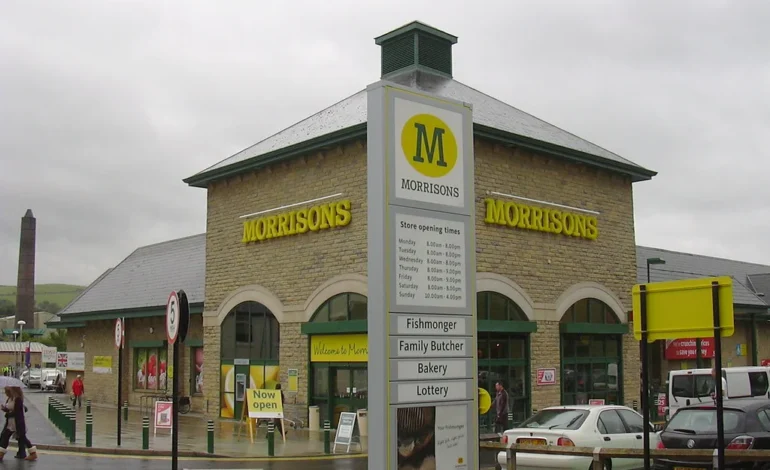
British supermarkets have long competed over price, quality and convenience, but Morrisons digital advertising screens have opened a different front entirely. The supermarket is installing new ultra-thin digital displays at the entrances of 300 stores, signalling a shift in how retailers think about physical space and customer attention.
The move marks Morrisons’ first significant step into digital out-of-home advertising. Instead of leaving store fronts as neutral thresholds, the company is reframing them as high-value media locations. With millions of people entering its shops every week, Morrisons is betting that advertisers will pay to reach an audience at the precise moment habits turn into purchasing decisions.
UK News from EyeOnLondon
Explore key stories from across the UK and keep reading for more national coverage.
Milkshakes and lattes to be covered by sugar tax
What proposed changes to the sugar tax could mean for popular drinks on the high street and the push to improve public health.
Read the storyMore UK news
Royal Navy Channel intercept
How Royal Navy vessels are supporting Channel operations and what this latest intercept reveals about pressures at sea.
Read the storyMore UK news
Labour tax rises and Reeves’ threshold freeze
An in-depth look at Rachel Reeves’ extended tax threshold freeze and what rising personal taxes mean for working households.
Read the storyMore UK news
A spokesperson for the retailer said the strategy was designed to modernise how Morrisons uses its estate and to offer “a new opportunity for brands to speak to shoppers at a moment that genuinely matters”. The screens are positioned to capture attention as customers shift into shopping mode, making them a potential tool for influencing everything from quick grabs to main shop choices.
While supermarkets have previously created revenue by selling shelf space, promoting supplier offers or adding seasonal displays, this is the first time Morrisons has monetised shopper attention directly. The development reflects a wider trend in retail. Online platforms have long operated as advertising ecosystems, and physical retailers appear to be catching up. Reports from organisations studying consumer behaviour, such as the Institute of Practitioners in Advertising, highlight how targeted adverts near the point of purchase can shape spending decisions in subtle but measurable ways.
For Morrisons, the screens provide a revenue stream that sits outside traditional retail margins. For brands, they offer the chance to reach customers before they choose their basket, rather than after. Industry analysts believe the move is part of a broader shift towards supermarkets acting as hybrid commercial spaces: part food retailer, part media network.
The development comes at a time when margins remain tight across the sector. Rising costs have placed pressure on even the largest chains, forcing them to consider new ways to generate income without increasing prices on shelves. If Morrisons’ strategy succeeds, other retailers may follow, reshaping store design and creating entrance halls that double as curated media environments.
What remains to be seen is how customers will respond. For some, the screens may feel like a modern extension of in-store communication. For others, they will represent another commercial layer in a shopping landscape increasingly shaped by data, footfall and the psychology of retail spaces.
What is clear is that this is more than a technological upgrade. It suggests a redefinition of what a supermarket is for. As one senior figure in retail technology put it: “The weekly shop is no longer just a transaction. It is part of the media ecosystem.”
For more stories on London’s business, finance and retail landscape, follow EyeOnLondon for informed and independent reporting.
Follow us on:



Subscribe to our YouTube channel for the latest videos and updates!

We value your thoughts! Share your feedback and help us make EyeOnLondon even better!