London police review “group-based child sexual offending” amidst 9,000-case audit

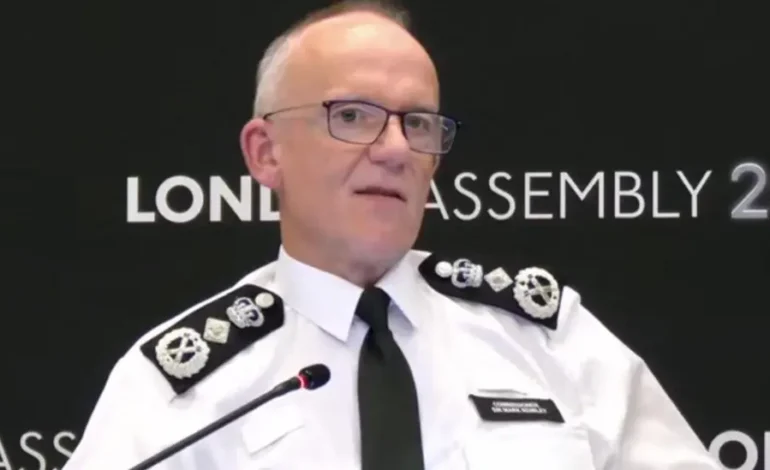
A Met Police child sexual exploitation review is under way in London, with the force reassessing thousands of historic cases under a broad national definition, Commissioner Sir Mark Rowley told the London Assembly.
The term “group-based child sexual offending” in this context refers to cases involving two or more suspects and at least one victim, across settings such as peer-on-peer, intra-familial, institutional or online abuse. Sir Mark emphasised that the initial 9,000 figure should not be conflated with the commonly understood notion of “grooming gangs”. He said: “We do not see the typology reported elsewhere where there have been cases of offending committed by groups of Pakistani men on white British children being the sole or majority case.”
Scope and scale of the review
The Met’s figure of some 9,000 cases emerged from a national audit of group-based child sexual exploitation and abuse, which widened the definition beyond the stereotypical “grooming gang” model. In London’s case the commissioner said the 9,000 figure is an initial count of historic and closed reports submitted for review, not a final tally of confirmed group-based exploitation.
Of the 2,200 cases reviewed so far, about 1,200 remain flagged for possible further action. “As we go deeper the number will fall,” Sir Mark said. He reiterated: “It is important for us to use precise language and consider its impact on victims and public understanding. There is too much ready reach to simplistic analysis which risks misleading communities.”
Politics and tension at City Hall
At the same London Assembly meeting the Sadiq Khan, Mayor of London, came under pressure from Conservative assembly member Susan Hall who accused him of “taking the mickey” out of victims after previously stating there was “no indication of grooming gangs” in the capital. The mayor replied that London had “issues in relation to child sexual exploitation” and had invested in support services for victims.
What makes London different?
Sir Mark said the pattern of offences in London is “more varied and more reflective of the variety of heritages in London.” This contrasts with narrative-driven stereotypes of grooming networks being dominated by men of Pakistani heritage preying on white British children. Critics say such simplifications hinder nuanced understanding and risk feeding public mistrust in London’s diverse communities.
The Met has also flagged that it records about 2,000 sexual offences a month, around half involving children. He warned that balancing current investigations alongside this historic review will require additional funding and specialist officers.
What happens next?
The Met expects the bulk of the remaining cases will fall into the 2,000–3,000 range and noted that even that final figure will cover a wide mix of offending — far broader than the “grooming gang” label alone. The force said it will work with partners and maintain a “steady flow” of investigations into live multi-offender child sexual exploitation.
Campaigners say the key test now lies in transparency and outcomes: victims must feel the system is acting with urgency, not just auditing.
For more independent coverage of London’s crime and justice stories, follow EyeOnLondon. We’d love to hear your views in the comments.
Follow us on:



Subscribe to our YouTube channel for the latest videos and updates!

We value your thoughts! Share your feedback and help us make EyeOnLondon even better!