Priced out of home: how gentrification is quietly reshaping London’s neighbourhoods

London gentrification is accelerating across parts of the capital, according to new long-term analysis that suggests neighbourhood change is now happening faster and more unevenly than in previous decades.
The research, which examined 25 years of economic and demographic data, focused on more than 50 London neighbourhoods previously identified as gentrified. It found that areas once characterised by below-average incomes have experienced sharp rises in wealth since the early 2010s, alongside significant population turnover.
London News — More from EyeOnLondon
Recent stories shaping life in the capital.
ZSL report highlights revival of the River Thames
A new health check shows how decades of action have transformed the Thames, while warning of fresh pressures ahead.
Read the storyMore London News
Inside London’s Government Dinner 2026
Senior figures from politics, business, and public life gather to discuss the capital’s future direction.
Read the storyMore London News
NBA returns to London with fresh investment plans
Basketball’s renewed presence in the capital signals long-term ambition for the sport in the UK.
Read the storyMore London News
The findings point to a pattern in which higher-income residents are increasingly moving into these neighbourhoods from further afield, while long-standing residents are more likely to leave. As a result, communities are changing rapidly, with housing costs rising more quickly than in many other parts of London.
Income growth between 2012 and 2020 was particularly pronounced in the neighbourhoods studied. Alongside this, the research identified notable demographic shifts, including a fall in the number of families with children and a reduction in the proportion of black residents living in those areas.
“These neighbourhoods all had lower-than-average incomes at the start of the last decade,” the analysis notes. “The scale of income growth and population churn since then illustrates the pace at which gentrification is now reshaping parts of London.”
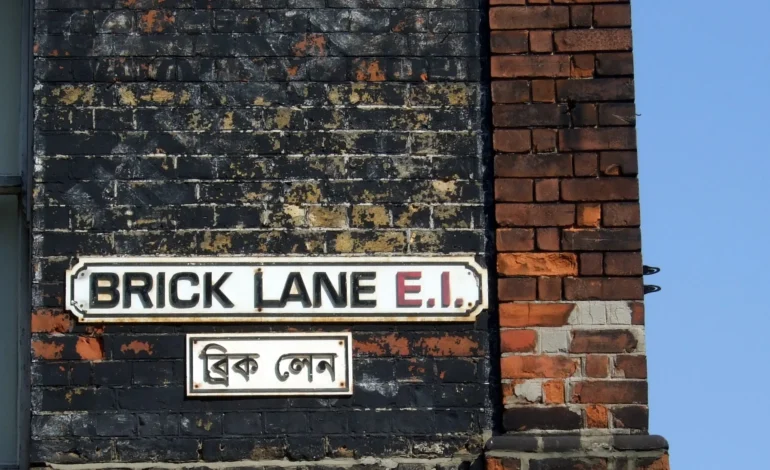
The effects are visible on the ground. In areas such as Hackney Wick, former industrial and commercial sites have been redeveloped into residential blocks, often retaining historical names while serving a very different market. New homes have brought investment and improved public spaces, but prices remain beyond the reach of many local households.
Manny Hothi, chief executive of Trust for London, said the demographic trends raised concerns about long-term social sustainability. “What we are seeing is different from earlier waves of gentrification,” he said. “There is a sharper decline in families with children and a disproportionate fall in black households.”
He added that these shifts are already having knock-on effects, including falling school rolls and the closure of local services that rely on stable, long-term populations.
While regeneration has brought cleaner streets, new housing, and improved transport links in some areas, the research suggests that gentrified neighbourhoods are now experiencing housing pressure more intensely than London as a whole. Rising rents and property prices are narrowing the range of people who can afford to live in these areas, increasing displacement rather than integration.
Environmental and public investment gains, the report argues, risk being undermined if neighbourhoods lose social diversity and community continuity. Without stronger protections for existing residents, the pace of change could continue to accelerate.
Further detail on the methodology and neighbourhood-level findings is available through
Trust for London’s housing and inequality research.
The report concludes that London gentrification is no longer a slow, generational process but a rapid transformation, raising urgent questions about how growth, affordability, and community stability can be balanced in the capital.
For more reporting on how London’s neighbourhoods are changing, follow EyeOnLondon for clear, independent coverage of life across the capital.
Follow us on:



Subscribe to our YouTube channel for the latest videos and updates!

We value your thoughts! Share your feedback and help us make EyeOnLondon even better!