A Debate Over Age, Fairness and the Future of London’s Free Travel

Older Londoners have long relied on London free travel schemes to stay active, connected and independent. Yet a fresh public row has reopened an old question about fairness, funding and the future of these much-loved benefits.
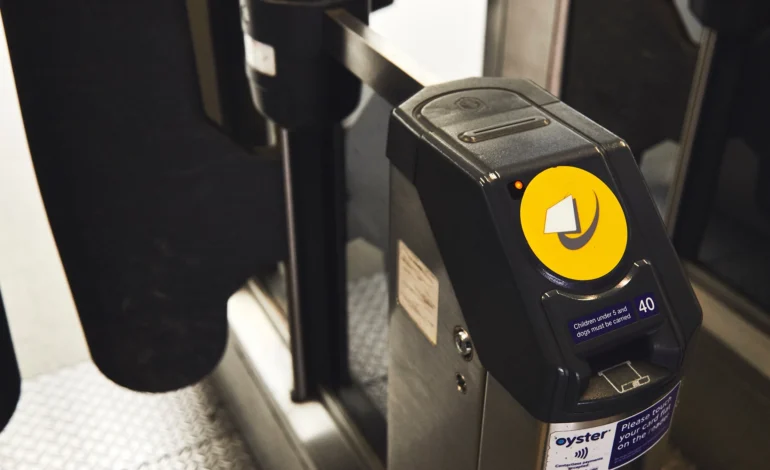
The schemes are built around two offers. Londoners aged 60 and over can apply for a 60+ Oyster card, providing free travel after 09.00 on weekdays and all day at weekends. Once they reach 66, the state pension age, they automatically move to the Freedom Pass, funded by London Councils and accepted on the Underground, buses, trams, the DLR, London Overground and most National Rail services within the capital.
More London News from EyeOnLondon
Carry on reading for more stories from across the capital.
Last chance for tickets to London’s NYE celebrations
A final call for New Year’s Eve river views, fireworks and prime spots on the Thames.
Read the storyMore London news
Bridget Jones statue unveiled in Leicester Square
The much-loved London heroine joins the film trail in the West End with a new bronze tribute.
Read the storyMore London news
Catch up on the latest from across London
From city-wide celebrations to cultural landmarks, explore more EyeOnLondon coverage in one place.
Browse London storiesLondon news hub
The Freedom Pass became the centre of an unexpected social media dispute when the children’s author Michael Rosen said he had been unable to renew his card. His post prompted a strong response from television presenter Kirstie Allsopp, who said “people taking things they did not need” were “bankrupting our country”. She questioned whether a successful writer should travel for free. The exchange quickly drew criticism and prompted wider debate. Many Londoners pointed out that older residents had paid taxes for decades and saw the benefit as a small return for their contribution.
London Councils confirmed it had been investigating Rosen’s renewal issue and “was pleased to confirm that his new pass is due to be dispatched shortly”.
The affordability of the schemes remains the deeper concern. London Councils said the Freedom Pass cost £291.5 million in 2024 to 2025, up sharply from £226.6 million the previous year. A spokesperson said boroughs were “collectively facing a £1bn funding shortfall this year” and were monitoring costs closely.
TfL’s 60+ Oyster card also carries a rising bill. The scheme is forecast to cost £135 million this year and could reach £185 million by 2027. The 60+ card was originally introduced in 2012 to bridge the six-year gap between turning 60 and qualifying for a Freedom Pass. It provides free travel on the same services, as well as discounted fares on river services and the IFS Cloud Cable Car. At 66, holders are automatically transferred to the Freedom Pass following a simple confirmation of name and address.
Alongside both schemes sits the Disabled Person’s Freedom Pass, available to Londoners with certain eligible conditions, including visual impairments, hearing loss and significant mobility difficulties. For many who rely on it to reach medical appointments, work or essential services, the benefit is more than a convenience.
The broader policy debate now rests between cost and social value. As one transport campaigner told EyeOnLondon, older and disabled Londoners “depend on these passes to stay connected to the life of the city”. The question for policymakers is whether rising pressures on public budgets will push reform, or whether the long tradition of concessionary travel remains politically unshakeable.
For informed reporting on London’s transport, policy and public services, follow EyeOnLondon for independent coverage that keeps you in the know.
Follow us on:



Subscribe to our YouTube channel for the latest videos and updates!

We value your thoughts! Share your feedback and help us make EyeOnLondon even better!