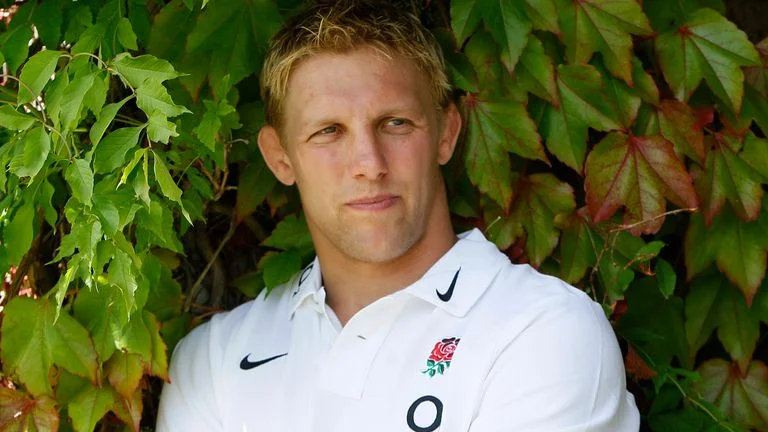
Former England rugby captain Lewis Moody has spoken movingly about the support he has received following his MND diagnosis, describing the response as “wonderful” and “overwhelming”.
The 47-year-old, who helped England secure their 2003 Rugby World Cup victory, revealed in September that he had been diagnosed with motor neurone disease, a rare and incurable condition that progressively damages the nervous system.
Sports News from EyeOnLondon
Explore today’s Sports news, from England football to London’s community partnerships and worldwide race events.
Gareth Southgate: “More unites us than divides us”
England manager reflects on togetherness, national identity and the power of football to connect people.
Read the storyMore Sports News
VRU to partner with London’s football clubs
Violence Reduction Unit joins forces with clubs to strengthen youth engagement across the capital.
Read the storyMore Sports News
New York City Marathon 2025
The world’s most recognisable marathon returns and London runners are already watching the route and ballot.
Read the storyMore Sports News
“It’s been a whirlwind,” Moody told BBC Breakfast. “It’s been wonderful in the sense of the outpouring of love and support, which has just been constant. It’s been slightly overwhelming at times but it all comes from such a beautiful and wonderful place.”
‘A warm embrace’ from the MND community
More than £200,000 has been raised through a GoFundMe campaign launched by friends and former Leicester Tigers teammates Geordan Murphy and Leon Lloyd to support Moody and his family.
Moody said the backing he has received from fans and the MND community has been a source of strength.
“For me and my family, we’ve just felt that warm embrace of everyone coming around us and supporting us,” he said. “My background is in rugby and people talk about that community, but the MND community that I’m now a part of has really embraced us, and we feel really lucky as a family to be part of it.”
Moody, who has two teenage sons, first realised something was wrong when he noticed weakness in his shoulder during gym training. Physiotherapy offered little improvement, and scans later confirmed nerve damage in his brain and spinal cord.
Living with MND
Although MND can progress quickly, Moody says his current symptoms are relatively mild, affecting movement in his hand and shoulder. The mental impact, however, has been harder to navigate.
“I have small symptoms in the hand and shoulder,” he said. “The only real effect it has on you is in the back of your mind. It lingers. Trying to park that and focus on the everyday, getting the most joy that you physically can out of every day, feeling that you have a purpose and applying yourself.”
Motor neurone disease remains incurable, though treatment can slow its progression. Studies suggest elite athletes may be disproportionately affected, with research indicating a higher incidence among footballers and rugby players. The reasons are still being explored, though it is thought that intense physical exertion and repeated injury may increase risk among those genetically predisposed.
More information on MND and support services is available from the Motor Neurone Disease Association
For more stories exploring London life, health, and community spirit, follow EyeOnLondon for original features and everyday insights across the capital.
[Image Credit | Sky News]
Follow us on:



Subscribe to our YouTube channel for the latest videos and updates!

We value your thoughts! Share your feedback and help us make EyeOnLondon even better!