Labour tax rises spark questions over broken pledges and political survival

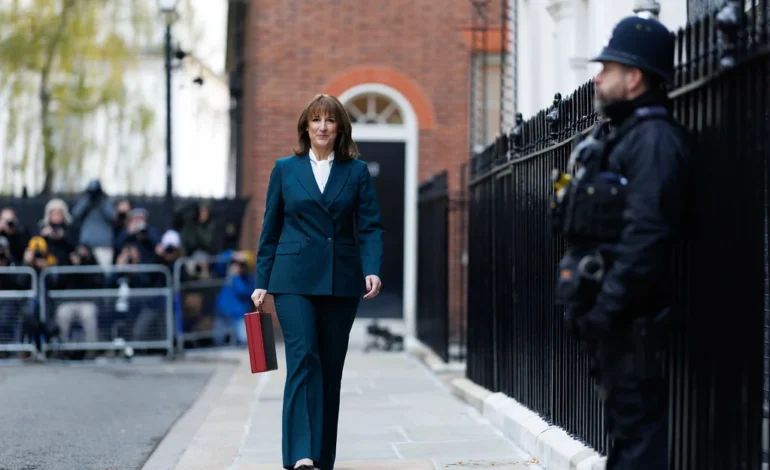
The debate over Labour tax rises has intensified after the chancellor unveiled a further £26 billion in tax measures, despite repeated assurances during the election campaign that working people would not face higher bills. The latest budget extends the freeze on income tax thresholds for another three years, pulling hundreds of thousands more earners into higher tax bands.
Rachel Reeves had previously argued that extending the freeze would “hurt working people”. Her decision to reverse that position marks one of several shifts since taking office, alongside the U-turns on winter fuel payments and disability benefits. The Office for Budget Responsibility now expects one in four taxpayers to fall into the higher-rate bracket by the end of this parliament.
UK News from EyeOnLondon
Explore more national stories and stay up to date with events across the UK.
Milkshakes and lattes to be covered by sugar tax
What the extended levy could mean for café favourites, public health, and prices at the counter.
Read the storyMore UK news
Royal Navy Channel intercept
How Royal Navy crews responded in the Channel and what this means for border and security policy.
Read the storyMore UK news
DragonFire laser destroys high-speed drones in trial
Inside the latest test of Britain’s DragonFire system and the future of directed-energy defence.
Read the storyMore UK news
The threshold freeze is expected to generate £8.3 billion, adding to the £40 billion raised in Reeves’s first budget. Critics say the combined impact places a growing burden on middle-income households, despite assurances during the campaign that public services would be funded through economic growth rather than higher personal taxes.
Her defenders point to the state of the public finances. Before the budget, the Treasury had just £9.9 billion in fiscal headroom. With borrowing costs still elevated, the chancellor’s decision to build that buffer to £22 billion was welcomed by markets, which typically favour a stronger safeguard against economic shocks. An economic briefing published by an independent policy institute, available through sources such as the Centre for Economic Performance, sets out the pressures facing governments seeking to stabilise debt.
But political considerations were also at play. Many Labour MPs see the new revenue as essential for easing tensions within the party over welfare spending, including the decision to lift the two-child benefit cap at a cost of £3 billion. One minister described the budget privately as “a plan for survival rather than reform”, reflecting frustration that a government with a large majority is still struggling to impose discipline on its own backbenchers.
The reaction within Westminster has been mixed. Some MPs welcomed the chancellor’s move to reinforce her fiscal rules, which require day-to-day spending to be in surplus by the end of the decade. Others questioned why such decisions were not signalled more clearly during the election campaign, given the prime minister’s firm promise that taxes on working people would not rise.
Asked whether extending the freeze constituted a breach of trust, Reeves argued that the pledge referred specifically to tax rates rather than thresholds. Independent analysts disagreed, and the dispute has sharpened wider concerns about accountability. During the campaign, voters were repeatedly told that Labour had “no plans” to raise taxes on working households. The reality now appears more complicated.
What this means for the government’s long-term credibility remains unclear. The measures may buy time by reassuring the markets and calming Labour’s internal disputes. Yet the political cost may prove harder to repair. Many of the voters who delivered the government its majority now face higher personal taxes, even as public services continue to struggle and economic forecasts remain subdued.
For more stories on London’s business, politics and public finances, follow EyeOnLondon for informed and independent reporting.
Follow us on:



Subscribe to our YouTube channel for the latest videos and updates!

We value your thoughts! Share your feedback and help us make EyeOnLondon even better!