A Landmark Deal for the High Seas Treaty as Global Ocean Protection Moves Forward

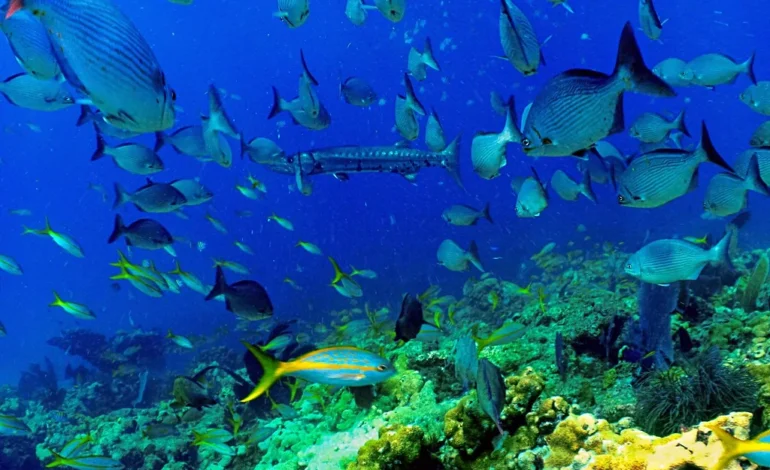
The High Seas Treaty enters into force in January 2026, in what campaigners are calling a once in a generation chance to protect life in the open ocean. After nearly two decades of negotiations, the agreement has now secured the 60 national ratifications it needed, triggering a countdown to the moment it becomes binding international law.
The treaty covers waters beyond national borders, which make up almost two thirds of the global ocean and were previously only loosely regulated. By creating a legal framework for large-scale marine protected areas, it is designed to help reverse decades of damage from overfishing, pollution and the effects of climate change on marine ecosystems. For those who want to see exactly what has been agreed, the full text of the agreement is available to read online.
Environment & Wildlife — From EyeOnLondon
Explore conservation stories, rare species and the changing natural world in and beyond the UK.
Wildcats could return to England
How reintroduction plans could see wildcats roaming English landscapes again and what it would mean for native ecosystems.
Read the storyMore Environment News
Kew Gardens and an endangered palm
Inside Kew’s efforts to save a critically endangered palm species and why seed banks and living collections now matter more than ever.
Read the storyMore Environment News
White rhino calf born at Cotswold Wildlife Park
A new white rhino arrival brings hope for a vulnerable species and highlights the role of carefully managed breeding programmes.
Read the storyMore Environment News
When the treaty comes into force in mid January, countries that have signed and ratified it will be able to propose new protected zones in the high seas, with decisions taken collectively. Supporters argue this is the only realistic way to meet the existing global pledge to protect 30 per cent of the world’s land and sea by 2030, a target that has so far proved difficult to translate into action on the open ocean.
“The agreement sets binding rules to conserve and sustainably use marine biodiversity in areas that have been neglected for too long,” the UN Secretary-General said when the 60th ratification was confirmed. Environmental groups have echoed that tone, describing the moment as “landmark” and a turning point in how the world treats the high seas.
Scientific assessments underline the scale of the task. Years of industrial fishing, plastic pollution, shipping traffic and warming waters have pushed many species towards decline, with a significant share now classed as being at risk of extinction. The high seas, once seen as remote and inexhaustible, are increasingly recognised as central to climate regulation, food security and coastal livelihoods.
The treaty will require countries to carry out environmental impact assessments before activities that could harm marine life, and to share more scientific data about what is happening far from shore. It also opens the door to stricter controls on emerging industries that want to operate in deep water, from bioprospecting for genetic material to potential future mining of the seabed.
For the UK and other maritime states, the next step will be turning international promises into domestic law and policy. That includes deciding which areas of the high seas to prioritise, how to monitor vast protected zones in practice and how to balance conservation with existing fishing and shipping rights. Supporters say early, visible progress will be crucial if the treaty is to retain public and political momentum.
Critics, meanwhile, point out that enforcement will ultimately depend on the will and capacity of individual governments. Under the agreement, countries are responsible for assessing the environmental impact of their own activities, although other states will be able to raise concerns and push for closer scrutiny.
What is not in dispute is the ocean’s importance. It is the planet’s largest ecosystem, absorbs a large share of the carbon dioxide produced by human activity and produces much of the oxygen we breathe. As one campaigner put it, the High Seas Treaty marks “the end of the idea that the open ocean is nobody’s responsibility” and the beginning of a new phase of shared stewardship.
For more features exploring global policy, environmental history and the forces shaping our world, follow EyeOnLondon for insightful storytelling you can trust.
Follow us on:



Subscribe to our YouTube channel for the latest videos and updates!

We value your thoughts! Share your feedback and help us make EyeOnLondon even better!