EasyJet at 30: How a £29 Fare Changed the Way Britain Flies

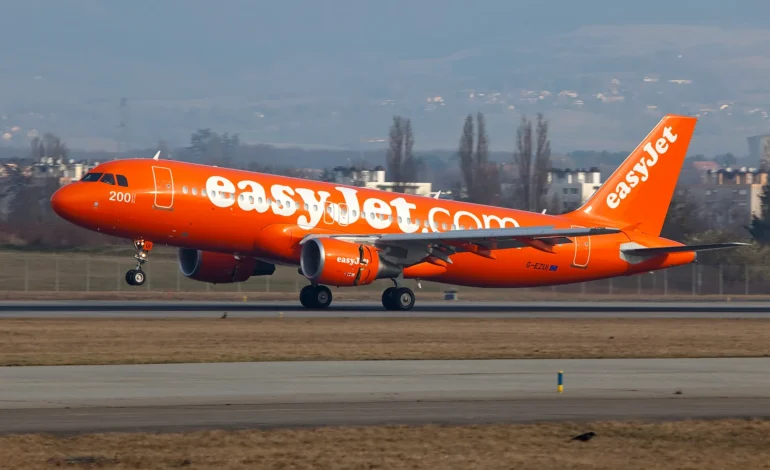
Thirty years after its first orange Boeing 737 lifted off from Luton Airport, EasyJet’s 30th anniversary is a milestone that few in 1995 would have predicted. What began with a bold claim, “as affordable as a pair of jeans”, has become one of Britain’s most remarkable business success stories.
In the autumn of 1995, a press release printed on bright orange paper announced £29 flights between London, Glasgow and Edinburgh. To a travel industry still dominated by legacy carriers and travel agents, the idea seemed fanciful. Yet for founder Stelios Haji-Ioannou, the goal was simple: to make flying as easy and accessible as taking the train.
“We wanted to make fares affordable to everyone while keeping air travel convenient and fun,” he said at the time.
The first flights borrowed aircraft and crew from other airlines, but the concept took off. By cutting out agents, charging for extras and rewarding airports for volume, EasyJet turned thrift into strategy. Thirty years on, it operates more than 350 Airbus aircraft, connecting 164 airports across Europe.
Travel News from EyeOnLondon
Latest airline, international and safety updates for UK travellers.
US flight capacity cut as delays mount
What UK and London passengers need to know if travelling to or through the United States.
Read this travel updateMore Travel
Tenerife tragedy after giant waves hit coast
Holidaymakers warned to check local safety alerts before visiting Atlantic island resorts.
Read this travel reportMore Travel
ESTA fees set to rise for UK visitors to US
A quick guide for London travellers on costs and entry requirements for future US trips.
Read this travel briefingMore Travel
The vision that democratised flying
The 1990s brought deregulation across European aviation, breaking decades of national control. Stelios saw the opportunity and built an airline around it. With no legacy baggage to slow it down, EasyJet could move fast, experiment, and respond to changing demand.
Its distinctive orange branding and no-frills approach changed public expectations. No longer a luxury, flying became a part of everyday life for millions. Fares as low as £29 opened up short breaks, family visits and business trips that would once have required savings.
Today, the average fare on the same Luton to Glasgow route is £27, cheaper than the original price even before inflation.
Aviation analysts have credited EasyJet with shaping a more competitive and accessible market, spurring other airlines to follow suit. According to data on the airline’s sustainability commitments, it now invests in carbon reduction, quieter aircraft and fuel efficiency as part of a wider shift in European aviation.
Challenges and legacy
EasyJet’s rise has not been without turbulence. From volcanic ash clouds to Brexit and pandemic shutdowns, the airline has faced challenges that would test even the largest carriers. Yet its risk-averse operations have earned it a strong safety record and loyal customer base.
It is now one of Europe’s largest airlines, valued at billions and credited with changing the face of travel. The company’s Luton base has expanded into a global operation, employing tens of thousands across multiple countries.
Rival Ryanair may have eclipsed EasyJet in market size, but few would deny that the orange airline’s cultural and economic impact has been profound. As one analyst put it, “EasyJet didn’t just make flying cheaper – it changed the British weekend.”
From Luton to legacy
Three decades after that first flight to Scotland, EasyJet remains a symbol of entrepreneurial vision and persistence. It showed that Britain could innovate beyond tradition, and that good timing, ambition and simplicity could upend an entire industry.
For travellers who have grown up with budget flights as a given, the idea that a £29 ticket could once seem outrageous is almost unthinkable.
This report is based on an article written by Simon Calder, first published in The Independent, adapted and rewritten for EyeOnLondon.
For more stories on London’s business, finance and economy, follow EyeOnLondon for informed and independent reporting.
Follow us on:



Subscribe to our YouTube channel for the latest videos and updates!

We value your thoughts! Share your feedback and help us make EyeOnLondon even better!