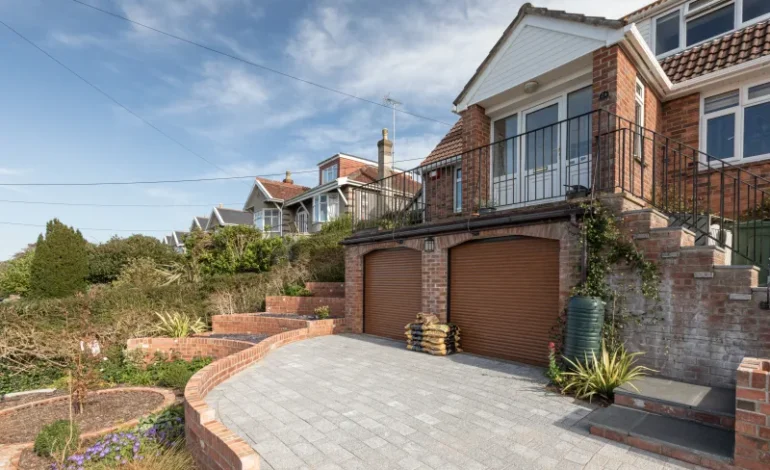
A little-noticed change to planning law last summer is quietly reshaping how homeowners charge their cars. The new driveway EV charger rules have removed the need for planning permission in many cases, making it easier and cheaper for households to install charging points at home as electric vehicles edge closer to the mainstream.
Ministers say the reforms could save drivers up to £1,100 a year, largely by cutting fuel costs and removing delays linked to planning applications. For many households, the driveway is now the simplest place to make the switch to electric.
UK News — More from EyeOnLondon
Related stories offering context, debate, and perspective from across the UK.
Flight paths should take communities into account, campaigners say
Residents and campaign groups argue that aviation decisions must reflect everyday impact on local lives.
Read the storyMore UK News
Blue Monday and the working mood
A closer look at how work culture, stress, and routine shape how people feel during winter months.
Read the storyMore UK News
Illegal sports streaming on the rise
Authorities warn of growing risks as unauthorised streams become more widespread and harder to police.
Read the storyMore UK News
Under the updated rules, homeowners in England can install a single wall-mounted or pedestal-style charger without applying for planning permission, provided it meets a small number of conditions.
The charger must not exceed 0.2 cubic metres in size and must be positioned at least two metres from the public highway. The intention is to remove friction from everyday decisions, not to open the door to oversized infrastructure in residential streets.
Industry figures have welcomed the move. Lewis Gardiner, operations director at Osprey Charging Network, said the changes would speed up deployment and remove what he described as unnecessary obstacles.
“Delays around permissions slow down installation at the very moment drivers are ready to switch,” he said. “This is the result of long collaboration between industry and government, and it helps charging provision keep pace with demand.”
That demand continues to rise. There are now around 1.75 million fully electric vehicles on UK roads. Figures published by Society of Motor Manufacturers and Traders show that more than 47,000 new electric cars were registered in 2025, an increase of 8 per cent on the previous year.
The government hopes simpler driveway installations will accelerate that trend, particularly for households without access to public charging hubs. More detail on permitted development rights for EV charging equipment is set out in official guidance published by the UK Government planning portal.
There are, however, limits. Leaseholders may still need consent from freeholders before making changes to the exterior of a property. New-build homes can also be bound by title deeds that restrict alterations, even when planning permission is no longer required.
Shared driveways present another potential flashpoint. Legal agreements may be needed where access is communal, particularly if cabling crosses boundaries or installation affects neighbouring properties.
Even so, for many homeowners the change removes a psychological as well as a practical barrier. Charging at home remains cheaper and more predictable than relying on public infrastructure, and the regulatory shift suggests policymakers now see the driveway as part of the national charging network.
For more stories exploring how policy changes affect everyday life in London and beyond, follow EyeOnLondon for independent, practical reporting. We welcome your views in the comments.
[Image Credit | Marshall]
Follow us on:



Subscribe to our YouTube channel for the latest videos and updates!

We value your thoughts! Share your feedback and help us make EyeOnLondon even better!