Inside London’s embassy row as China secures approval for vast diplomatic site

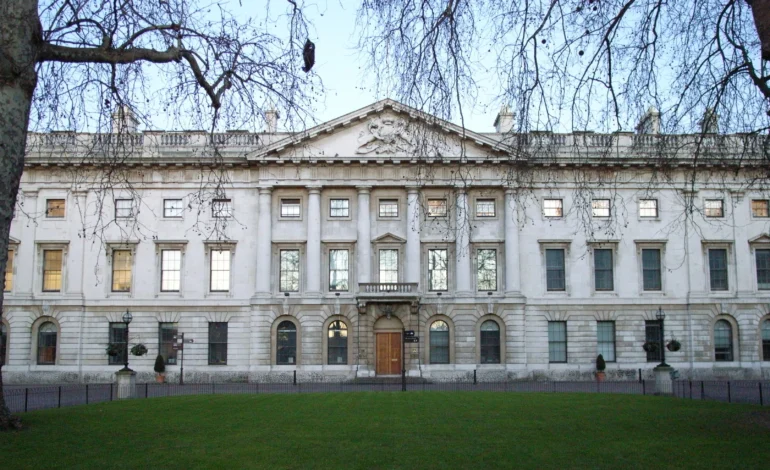
The decision to approve the development of China’s mega-embassy in London has reopened an uneasy debate about diplomacy, security, and the limits of planning law in the capital. Ministers signed off the project this week, allowing Beijing to build its largest diplomatic complex in Europe on the former Royal Mint site in east London.
The ruling was confirmed by Steve Reed, the housing secretary, following a lengthy and politically sensitive review that had been escalated to central government after initial refusal by Tower Hamlets council.
UK News — More from EyeOnLondon
Related reporting that adds context, perspective, and depth to the national conversation.
Flight paths should take communities into account, campaigners say
Residents argue aviation planning must reflect daily disruption and long-term impact on neighbourhoods.
Read the storyMore UK News
Blue Monday and the working mood
How routine, pressure, and workplace culture shape morale during the winter months.
Read the storyMore UK News
A quiet change on the driveway reshaping how Britain charges cars
New planning rules are making it easier for homeowners to install EV chargers at home.
Read the storyMore UK News
The approval has drawn criticism from Washington as well as from British security hawks. White House officials previously raised concerns about the proximity of sensitive fibre-optic cables beneath the site, warning that the location could pose long-term risks to communications infrastructure.
The timing is awkward. Donald Trump publicly criticised Keir Starmer this week over the Chagos Islands agreement, a rare intervention that has heightened scrutiny of the government’s approach to China.
Critics argue the embassy, expected to house hundreds of staff across an extensive basement complex, risks becoming a focal point for intelligence gathering. Some have described it as a potential surveillance hub embedded in the heart of the capital.
Security agencies have been careful in their language. In a joint letter to senior ministers, MI5 and GCHQ acknowledged that it would not be realistic to eliminate every conceivable risk associated with the development.
Previously unseen planning documents have added to the controversy. Redacted blueprints show a large number of basement rooms, including at least one area where proposed works would bring construction activity within a few feet of major data cables serving the City of London.
A senior US national security official is understood to have raised these issues directly with British counterparts last year, requesting technical briefings on the resilience of the infrastructure and the implications of the design.
The application itself has a long history. China first submitted plans in 2018. After local rejection, the decision was formally “called in” by ministers in 2024 following diplomatic representations from Xi Jinping. British officials privately warned that rejecting the scheme could stall long-delayed renovations to the UK embassy in Beijing.
Local residents, however, remain unconvinced. Protests have been held near the site, and campaigners say they are preparing a legal challenge. “We believe the decision was wrong and rushed,” said one residents’ representative. “We are pursuing a judicial review.”
Opposition figures have been blunt. James Cleverly described the approval as
“a failure of judgement”
while Priti Patel warned that national security had been compromised for diplomatic convenience.
Legal voices have also entered the fray. Helena Kennedy, co-chair of a cross-party alliance on China, said the decision risked signalling that Britain was willing to make concessions without meaningful reciprocity.
In a statement accompanying the decision, Reed said he had acted fairly and within the confines of planning law. A 240-page report published by his department concluded that no authority with responsibility for national security had formally objected to the proposal on infrastructure grounds.
The document stressed that planning permission could not be refused on moral or ethical considerations, and that any unlawful activity conducted from the embassy would be dealt with through diplomatic and legal channels under international law, including the Vienna Convention on Diplomatic Relations .
Campaigners argue that approach is inadequate, particularly given the scale of the site and the ambiguity surrounding some of the proposed basement spaces. The decision is expected to be challenged in court within weeks, a process that could stretch well beyond the next general election.
For now, the approval stands, but the row surrounding the China mega-embassy London project shows no sign of quietening.
For more independent reporting on UK politics, diplomacy, and national security, follow EyeOnLondon. We welcome thoughtful debate in the comments.
Follow us on:



Subscribe to our YouTube channel for the latest videos and updates!

We value your thoughts! Share your feedback and help us make EyeOnLondon even better!