Atlantic Forest decline driving mosquitos to biting humans

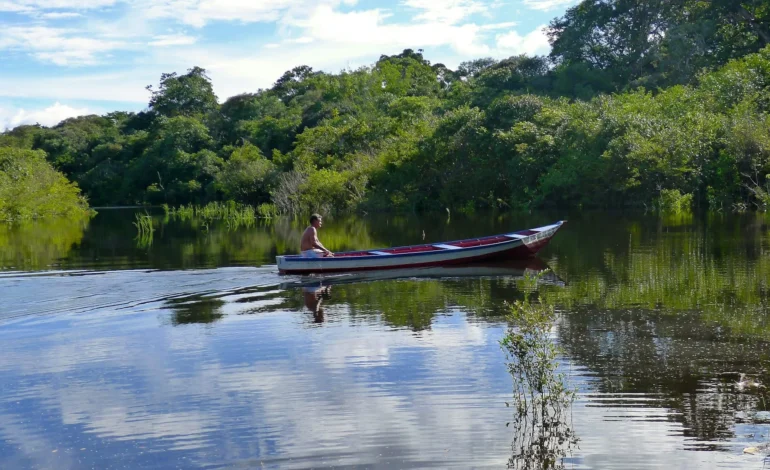
The rapid decline of Brazil’s Atlantic Forest is causing mosquitos to adapt to a human-dominated landscapes, with the insects preferring to target people over wildlife, researchers have found. This raises the risk of diseases spreading including dengue and Zika, and reveal how deforestation can have larger impacts beyond wildlife.
The Atlantic Forest runs along the Brazilian coastline and supports a diverse array of wildlife, including hundreds of bird, amphibian, reptile, mammal, and fish species. But human development has reduced it to just a third of original size. As wildlife is pushed out, mosquitos are forced to look elsewhere for food, the study published in Frontiers in Ecology and Evolution has found.
“Here we show that the mosquito species we captured in remnants of the Atlantic Forest have a clear preference for feeding on humans,” said senior author Dr. Jeronimo Alencar, a biologist at the Oswaldo Cruz Institute in Rio de Janeiro.
“This is crucial because, in a environment like the Atlantic Forest with a great diversity of potential vertebrate hosts, a preference for humans significantly enhances the risk of pathogen transmission,” added co-author Dr. Sergio Machado, a microbiology and immunology researcher at the Federal University of Rio de Janeiro.
To better understand the insects, the team set light traps in two of Rio de Janeiro’s natural reserves, the Sítio Recanto Preservar and the Guapiacu River Ecological Reserve. Female mosquitos that had recently taken a blood meal were separated and studied in a lab with DNA from the blood inside extracted and sequenced. By doing this, the team were able to identify the species that had been bitten.
1,714 mosquitos from 52 different species were collected, 145 of them being females carrying blood. They were able to identify the blood meals of 24 individuals, with 18 coming from humans, six birds, one amphibian, one mouse, and one canid.
With deforestation continuing and human settlements expanding, many plants and animals disappear. This makes mosquitos alter how they live and where they find food, pushing them closer to people.
“With fewer natural options available, mosquitoes are forced to seek new, alternative blood sources,” Machado said. “They end up feeding more on humans out of convenience, as we are the most prevalent host in these areas.”
Stay tuned to EyeOnLondon for the latest news and expert opinions.
Follow us on:



Subscribe to our YouTube channel for the latest videos and updates!

We value your thoughts! Share your feedback and help us make EyeOnLondon even better!