Giant Iceberg on Course to South Georgia, Endangering Penguins and Seals

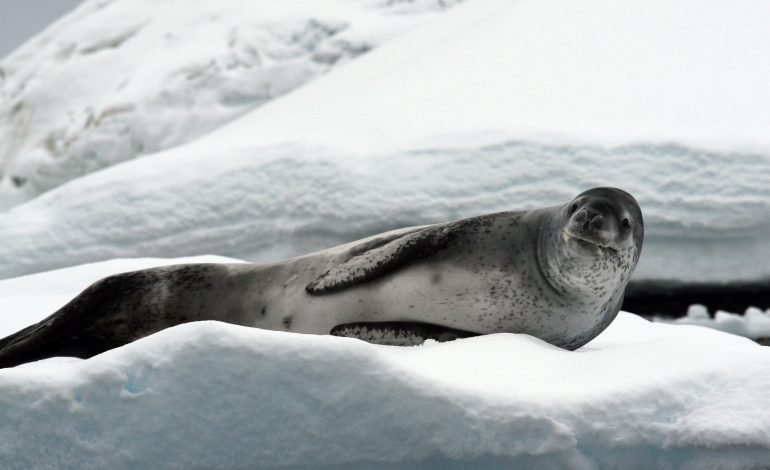
A giant iceberg, known as A23a, is heading towards South Georgia, a remote British territory famous for its stunning wildlife. This floating giant, roughly the size of Cornwall, has the potential to wreak havoc on the island’s delicate ecosystem, putting penguins, seals, and other marine life at serious risk.
Calving from Antarctica’s Filchner Ice Shelf back in 1986, A23a spent decades stuck in an ocean vortex before breaking free in December. Now, the giant iceberg is drifting northwards into warmer waters, where it’s melting and shedding huge chunks of ice. These fragments, described by sailors as “floating ice cities,” could linger for years, creating dangerous obstacles in the sea.
Explore Science & Environment
UK Wildlife Found with Toxic ‘Forever Chemicals’
Newly Discovered Neutron Star: A Groundbreaking Find
Chernobyl Dogs Show Genetic Differences Unrelated to Radiation
Click the links above to uncover the latest in science and environmental discoveries with EyeOnLondon.
South Georgia has faced threat like this before. In 2004, an iceberg called A38 grounded near the island, blocking feeding routes and leading to the deaths of many penguin chicks and seal pups. With A23a nearing the island, scientists and sailors are anxiously watching its every move. Marine ecologist Mark Belchier, an advisor to the South Georgia government, explained:
“South Georgia sits in iceberg alley, so impacts like this are expected. But the wildlife here has shown incredible resilience.”
Fishermen working in the area are on high alert. Andrew Newman, from the fishing company Argos Froyanes, shared his experience with another iceberg, A76, in 2023: “It was like an ice city on the horizon. Pieces ranged from the size of Wembley Stadium to fragments as small as desks.” Captain Simon Wallace, who navigates South Georgia’s icy waters aboard the government vessel Pharos, added: “We’re constantly on watch. Icebergs can appear out of nowhere, and we’ve got searchlights on all night to spot them.”
While A23a is a threat, it’s also an opportunity for science. Last year, a team from the British Antarctic Survey aboard the Sir David Attenborough research vessel ventured close to A23a to study its effects. PhD researcher Laura Taylor described the experience: “We sailed into a crack in the iceberg and collected water samples. It was breathtaking—a wall of ice towering above us, chunks falling into the sea. It’s not just ice; it’s full of nutrients, tiny animals, and chemicals that affect the ocean’s carbon cycle.”
As A23a melts, it releases nutrients into the water, which could help store carbon dioxide in the deep ocean. This could slow down climate change, even as the iceberg itself serves as a stark reminder of the planet’s shifting climate.
South Georgia’s rugged beauty and diverse wildlife have adapted to challenges over centuries, but A23a’s arrival is a reminder of the delicate balance in nature. With scientists, sailors, and conservationists keeping a close eye, all eyes are now on the horizon as this icy giant makes its approach.
To learn more about the impact of climate change on Antarctic wildlife, visit the British Antarctic Survey.
For more updates on climate and environmental news, stay tuned to EyeOnLondon for the latest stories and expert insights.
Follow us on:



Subscribe to our YouTube channel for the latest videos and updates!

We value your thoughts! Share your feedback and help us make EyeOnLondon even better!