Last orders? Why London pubs are bracing for a business rates shock

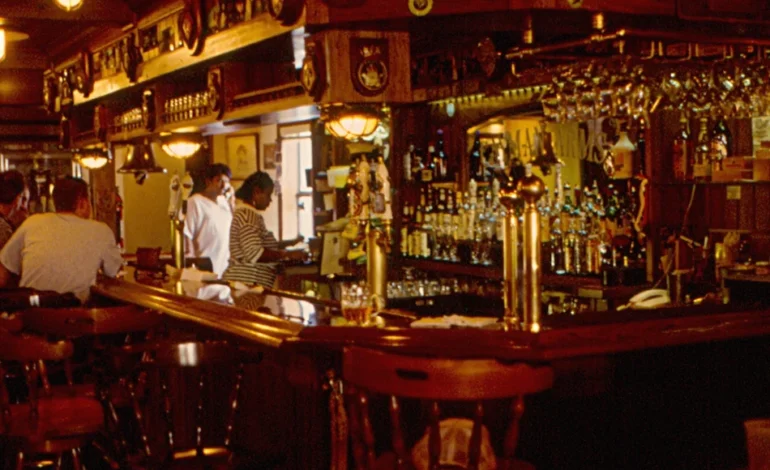
London pubs are bracing for a business rates shock for pubs from April 2026, with owners warning that the sums no longer add up after years of rising costs and thinning margins.
The argument is not about one measure in isolation. It is about the pile-up: wage bills, employer taxes, energy prices, packaging and recycling charges, and now the next reset of non-domestic rates. In a capital where rents are high and footfall can turn on a week of rain, operators say the risk is not just fewer new openings, but more quiet closures.
UK News: more from EyeOnLondon
Three recent reads, chosen to keep you informed beyond the headline.
Rail line improvements planned for the North of England
What is being proposed, where it may land, and what it could mean for passengers and capacity.
Read the storyUK-US deepfake travel risk: what travellers should know
A clear look at how deepfakes can be used, and what to watch for before you travel or share ID.
Read the storyPassport control delays in Spain: what to expect
Where delays are being reported, why queues build quickly, and how to reduce the stress at the border.
Read the storyA striking example has come from Newcastle, where the Dog and Parrot has been cited as facing a huge rise in its rates bill. London operators say the underlying mechanics feel familiar: when values jump, the bill follows, and the maths becomes brutal in a trade that often makes pennies on each sale.
Hospitality groups have been pressing ministers to soften the landing. Kate Nicholls, the chair of UKHospitality, said:
“The plan in the Budget to achieve this is quickly unravelling, and will deliver the exact opposite.”
Why April 2026 matters
The 2026 revaluation takes effect in England and Wales from 1st April 2026. For pubs and restaurants, it also coincides with the end of the post-pandemic relief that has helped many venues stay afloat.
In London, where a pub’s costs are rarely limited to a rent cheque and a staff rota, the timing is hard to ignore. A venue can be busy yet still fragile, particularly if it relies on weekends, events, or seasonal peaks. Owners say any sharp increase in fixed costs forces immediate decisions: fewer staff on shift, shorter opening hours, or cutting back on the things customers actually notice.
The wider worry is what happens to the character of neighbourhood high streets. Chains may absorb increases more easily. Independents cannot, and once they go, they are not easily replaced with something better.
The invisible hit to the “night out” economy
There is also anxiety about proposals that could change behaviour around travel and drinking. London is not a single local market. It is a web of train lines, late-night tubes, taxis, and day trips in and out of the city. Hospitality leaders argue that when rules, costs, and risk tighten at the same time, people simply go out less, or choose a cheaper option at home.
For venues, the threat is rarely dramatic. It is quieter than that: a slow drop in footfall, a slightly smaller average spend, a bit more uncertainty in the diary. Over time, that is what breaks a business.
For readers who want context on the sector’s warning over the rates reset, the clearest summary is set out in this industry briefing on the 2026 changes.
For more stories on London’s business life, hospitality, and the realities behind the city’s high streets, follow EyeOnLondon and join the conversation in the comments.
Follow us on:



Subscribe to our YouTube channel for the latest videos and updates!

We value your thoughts! Share your feedback and help us make EyeOnLondon even better!