Late Cretaceous dinosaurs were “thriving” before asteroid impact

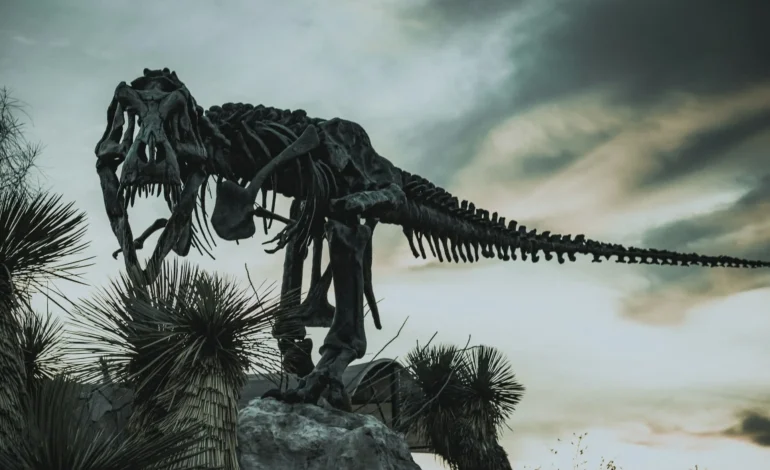
A new study published in Science has challenged the long-standing belief that dinosaurs were in decline in the late Cretaceous. The study was undertaken by researchers from Baylor University, New Mexico State University, The Smithsonian Institution, and other international partners.
Their findings reveal that the dinosaurs were not in decline before the asteroid collided and were in fact thriving.
In the north-west of New Mexico, layers of ancient rock reveals a previously ignored chapter in the planet’s history. The Naashoibito Member of the Kirtland Formation reveals evidence of a late Cretaceous ecosystem rich in dinosaurs that were flourishing before the impact.
Dating determined that the rocks are between 66.4 and 66 million years old, putting them right at the time of the mass extinction.
“The Naashoibito dinosaurs lived at the same time as the famous Hell Creek species in Montana and the Dakotas,” said Daniel Peppe, Ph.D., associate professor of geosciences at Baylor University. “”They were not in decline, these were vibrant, diverse communities.”
The fossils from New Mexico challenge what has long been assumed. Dinosaurs in North America were thriving across regional communities and not dwindling. By analysing the ecological and geographic patterns, researchers discovered that populations of dinosaurs in the west of the continent were divided into separate “bioprovinces” which were shaped by regional temperature differences and not mountains or rivers.
“What our new research shows is that dinosaurs are not on their way out going into the mass extinction,” said first author Andrew Flynn, Ph.D. ’20, assistant professor of geological sciences at New Mexico State University. “They’re doing great, they’re thriving and that the asteroid impact seems to knock them out. This counters a long-held idea that there was this long-term decline in dinosaur diversity leading up to the mass extinction making them more prone to extinction.”
The asteroid brought the age of the dinosaurs to an end but the ecosystems left behind would bounce back. Within only 300,000 years, mammals began to diversify and fill the niches left behind.
Stay tuned to EyeOnLondon for the latest news and expert opinions.
Follow us on:



Subscribe to our YouTube channel for the latest videos and updates!

We value your thoughts! Share your feedback and help us make EyeOnLondon even better!