Sumo’s Sacred Ring Faces a Historic Moment as Sanae Takaichi Confronts Tradition

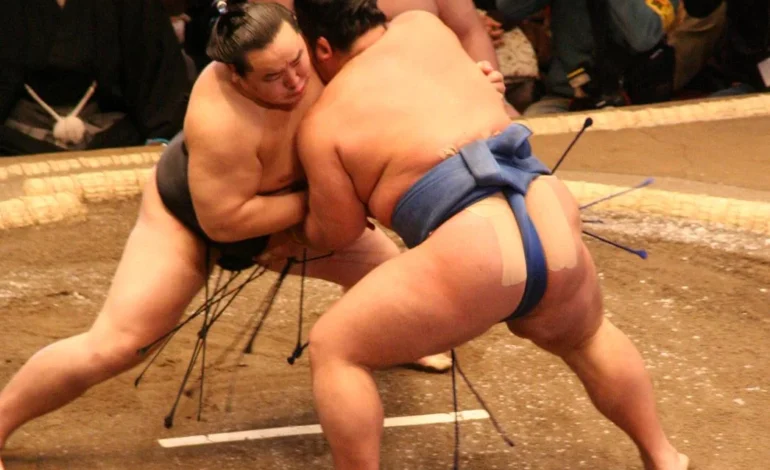
Anticipation is growing in Japan as the country’s first female Prime Minister, Sanae Takaichi, weighs whether to enter the sacred sumo ring, a space that has, for centuries, been closed to women.
With 11 days remaining in the current tournament in Fukuoka, the government has so far avoided confirming whether Takaichi will break with custom and step into the dohyo to present the Prime Minister’s Trophy to the champion.
International News — Latest from EyeOnLondon
Global stories with London in mind. Explore more and stay with us for context and updates.
Knesset bill proposes death penalty for terrorism
Lawmakers debate a highly controversial measure with far-reaching legal and diplomatic implications.
Read the storyMore International News
Vampire bats: rabies threat in Amazon to be studied
Scientists assess disease risks and wildlife behaviour across remote river communities.
Read the storyMore International News
FAA limits capacity in US as flights disrupted
Operational caps and weather knock-ons lead to cancellations and delays across major hubs.
Read the storyMore International News
Chief Cabinet Secretary Minoru Kihara said only that the Prime Minister “wishes to respect sumo tradition and culture” and that no final decision had been reached. His words left Japan wondering whether the country’s new leader will choose symbolism over convention.
At the heart of the debate lies the sumo ring ban, a rule embedded in centuries of ritual. The dohyo, the raised clay ring where bouts are held, is considered sacred ground in the Shinto faith, which still influences much of Japanese tradition. Women have long been excluded from entering or touching the surface because of historic beliefs around ritual purity.
The restriction has faced mounting criticism over the years. In 1990, a female government minister was refused entry when she offered to present a prize. In 2018, female medics who rushed to save a mayor who had collapsed mid-speech were ordered off the ring before they could finish administering first aid, an incident that provoked widespread condemnation.
The Japan Sumo Association, which governs the professional sport, has so far resisted calls to change the rule, arguing that it must protect the sanctity of the dohyo. Critics, however, view it as an outdated symbol of inequality that sits uneasily in a modern democracy led by a woman.
For Takaichi, the issue is both political and personal. Entering the ring could be seen as a quiet act of reform, signalling a desire to modernise Japan’s social traditions. Yet it could also risk alienating conservatives within her party, many of whom see the ban as an untouchable element of national heritage.
Whether she chooses to step forward or stand back, the moment carries significance beyond sport. For Japan’s first female Prime Minister, it represents a rare opportunity to challenge one of the country’s last remaining taboos in full public view.
For more features exploring world culture and sport, follow EyeOnLondon for insightful storytelling you can trust.
Follow us on:



Subscribe to our YouTube channel for the latest videos and updates!

We value your thoughts! Share your feedback and help us make EyeOnLondon even better!