Space junk could be solved, study suggests

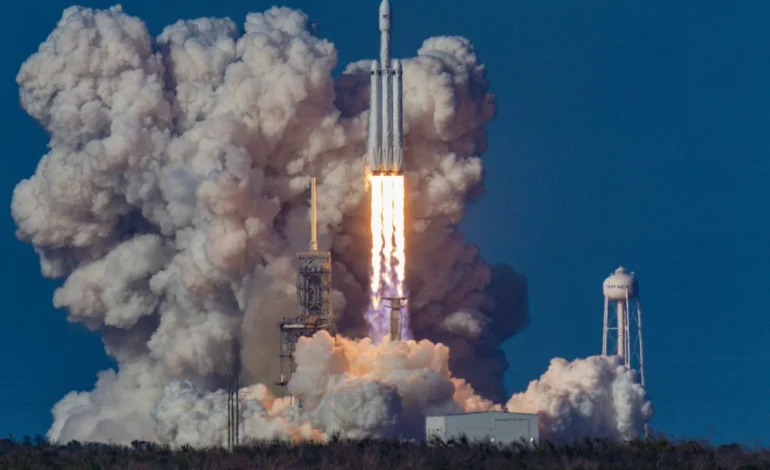
Every rocket that launches releases space junk, valuable materials that cannot be recovered, as well as greenhouse gas emissions and chemicals which can harm the ozone layer. A new study, published December 1 in the Cell Press journal Chem Circularity, explores how reducing, reusing, and recycling, all familiar ideas, could be built into the design of satellites and spacecraft. This includes how they are repaired and handled at the end of their service lives.
“As space activity accelerates, from mega-constellations of satellites to future lunar and Mars missions, we must make sure exploration doesn’t repeat the mistakes made on Earth,” senior author and chemical engineer Jin Xuan of the University of Surrey said. “A truly sustainable space future starts with technologies, materials and systems working together.”
The environmental impact of space junk can continue after launch. Most satellites and spacecraft are never recycled. This means that a lot of materials can be permanently lost when a mission comes to end. Older satellites are often shifted into “graveyard orbits” or become drifting orbital debris which can disrupt the operation of other active systems.
This cannot continue, the study’s authors stress, especially as private space missions increase. The need for a circular space economy where materials are created with reuse, repair, and recycling baked into their design. Industries including car manufacturing and personal electronics have already begun moving in this direction.
“Our motivation was to bring the conversation about circularity into the space domain, where it’s long overdue,” says Xuan. “Circular economy thinking is transforming materials and manufacturing on Earth, but it’s rarely applied to satellites, rockets, or space habitats.”
Stay tuned to EyeOnLondon for the latest news and expert opinions.
Follow us on:



Subscribe to our YouTube channel for the latest videos and updates!

We value your thoughts! Share your feedback and help us make EyeOnLondon even better!