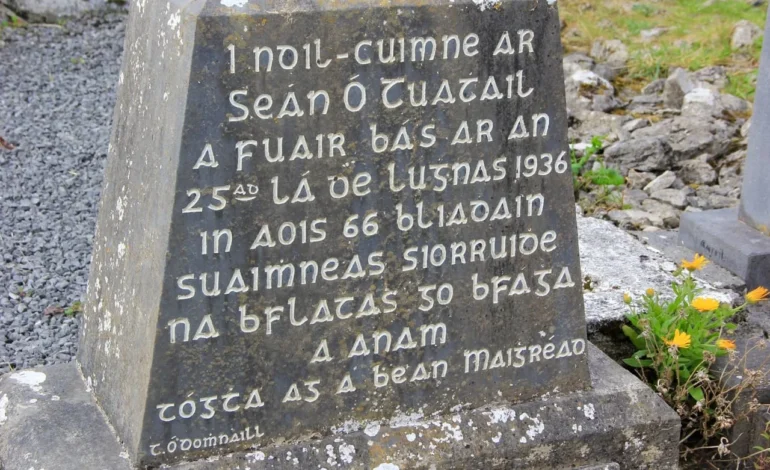
Gaelic and Scots have been recognised as official languages. The change comes as part of new policies that came into effect on St Andrew’s Day, being introduced in 2023. The Scottish Languages Act, voted on by Holyrood MSPs in June, also “empowers” parents to ask for a Gaelic school to be established in their area, according to the BBC, and aims to provide more qualifications in the language.
Ministers also receive powers to commission research into the use of the languages and establish teaching standards for them.
“St Andrew’s Day is a fitting time to celebrate Scotland’s identity by recognising Gaelic and Scots as official languages,” Scotland’s Deputy First Minister Kate Forbes said. “This is a historic milestone which acknowledges the vital place these languages hold in Scotland’s culture and heritage.”
The Scottish government has already allocated £35.7 million for Gaelic and Scots initiatives in 2025. The act also supports the creation of linguistic significance in Gaelic communities, allowing ministers to create policies that support the growth of the language.
The latest census reveals that 130,161 people in Scotland had some skills in Gaelic in 2022. That’s an increase of 43,105 from 2011. It also found that 2,444,659 million people in Scotland had some skills in Scots, more than quadruple the 515,215 in 2011.
Na h-Eileanan Siar (Western Isles) had the highest proportion of Gaelic speakers with 57.2% having some skills in the language.
Stay tuned to EyeOnLondon for the latest news and expert opinions.
Follow us on:



Subscribe to our YouTube channel for the latest videos and updates!

We value your thoughts! Share your feedback and help us make EyeOnLondon even better!