Why Richmond and Camden rank among Britain’s happiest places to live in 2025

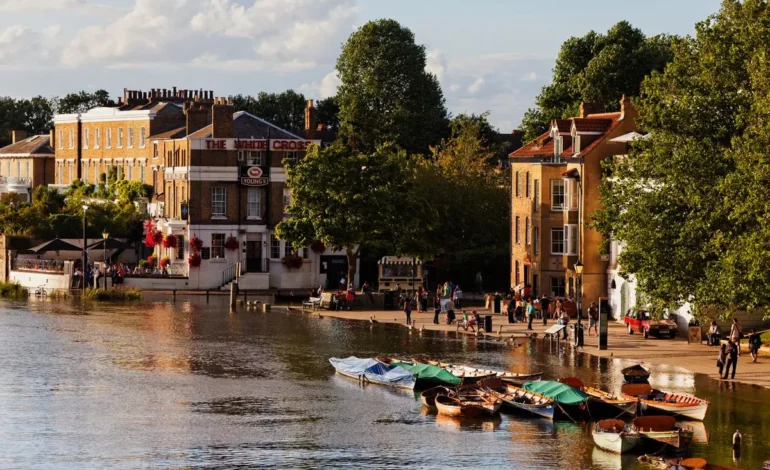
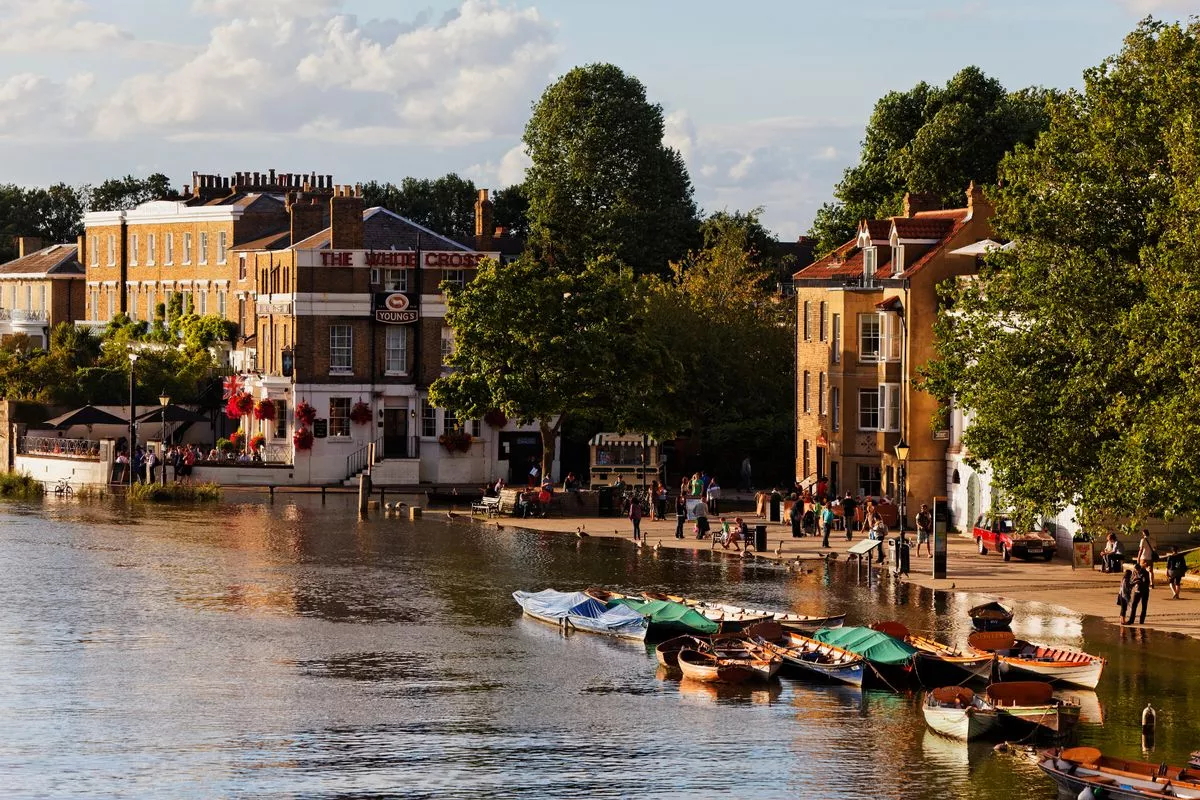
Richmond upon Thames and Camden have been named two of Britain’s happiest places to live in 2025, placing London at the top of the national index in a year where access to nature, community identity and essential services have become key measures of satisfaction. Richmond ranked second overall and Camden third, ahead of several well-regarded towns and cities across the country.
Richmond upon Thames: green space and a strong sense of community
Richmond’s high ranking reflects long-standing qualities that residents continue to value. The borough’s extensive parks, riverside walks and protected landscapes offer access to nature rarely found so close to central London. Studies examining how local green environments support mental wellbeing reinforce why such space is consistently linked with higher life satisfaction.
London News — Latest from EyeOnLondon
Follow key stories shaping London and the wider South East, from environment to jobs and essential services.
Tunbridge Wells water crisis and boil notice
Days of disruption leave households and businesses without safe tap water, raising wider questions about resilience.
Read the storyMore London News
Grey seal pups at record numbers
Record pup counts around the UK coast and Thames estuary highlight both conservation progress and new pressures.
Read the storyMore London News
Hospitality sector warns of 100,000 job losses
A major trade body sets out how rising costs and weaker demand could hit pubs, restaurants and hotels across the capital.
Read the storyMore London News
Beyond green space, Richmond’s distinct neighbourhoods, strong high streets and well-regarded schools contribute to a sense of stability. Many residents report that they feel part of a community, with local events, sports clubs and volunteering opportunities remaining an important part of borough life.
Camden: culture, connectivity and varied neighbourhoods
Camden’s third-place ranking marks a significant rise for the inner-London borough. Best known for its markets, music venues and canals, Camden also benefits from large open spaces such as Primrose Hill and Regent’s Park, along with quieter residential pockets that contrast with its busier hubs.
The borough continues to invest in local wellbeing and neighbourhood support frameworks, helping residents access community networks and services.
For many, Camden’s appeal lies in the balance between cultural life and day-to-day practicality. Its transport links, healthcare access and dense network of amenities were repeatedly highlighted in resident feedback.
How the rest of the UK compares
While Richmond and Camden performed strongly, several other parts of the UK also ranked highly, each for different reasons. The results show that satisfaction is shaped not only by scenery or affordability, but by how effectively local areas meet residents’ everyday needs.
Skipton (North Yorkshire)
Skipton topped the national list. Residents cited access to countryside, safety and a strong market town identity. Its comparatively lower average house prices also contributed to a sense of long-term stability.
Harrogate and York
Both well-regarded towns in North Yorkshire recorded strong satisfaction scores, with respondents praising green surroundings, reliable services and community cohesion.
Scottish towns in the top ten
Several Scottish locations placed highly, driven by access to open landscapes, good air quality and strong local identity. The emphasis on nature aligns with long-standing research from wellbeing groups that shows how proximity to natural environments supports improved life satisfaction.
Wales and the South West
Rural and coastal communities across Wales and the South West were frequently mentioned by respondents who value slower-paced living and access to outdoor space. However, limited services and transport links meant they ranked slightly lower on practical measures.
What links the happiest locations of 2025?
Across all regions, several themes emerged:
1. Access to green space
Whether urban or rural, areas with parks, countryside or riverside walks consistently performed well.
2. Local services within easy reach
GP surgeries, schools, libraries and shops remain essential markers of contentment.
3. A strong sense of place
Residents feel happiest where neighbourhood identity is clear and shared, whether in village communities or city districts with deep cultural history.
4. Walkability and public transport
Living without depending on a car continues to be an important factor, particularly in cities.
5. Community interaction
Areas where residents feel connected to one another show notably higher happiness scores.
What this means for London
The strong performance of Richmond upon Thames and Camden challenges the idea that London cannot compete with smaller towns for quality of life. While the capital faces pressures related to housing, transport and cost of living, the index suggests that pockets of the city continue to deliver environments where residents feel supported, grounded and connected.
Both boroughs illustrate how cities can thrive when nature, culture and services come together. They also demonstrate that London’s varied neighbourhoods continue to adapt to changing expectations as people reassess what they value most in day-to-day life.
For more stories exploring London life, follow EyeOnLondon for original features and everyday insights across the capital.
[Image Credit | Getty images]
Follow us on:



Subscribe to our YouTube channel for the latest videos and updates!

We value your thoughts! Share your feedback and help us make EyeOnLondon even better!